


TL;DR: The Honest Truth About Saffron and Safflower
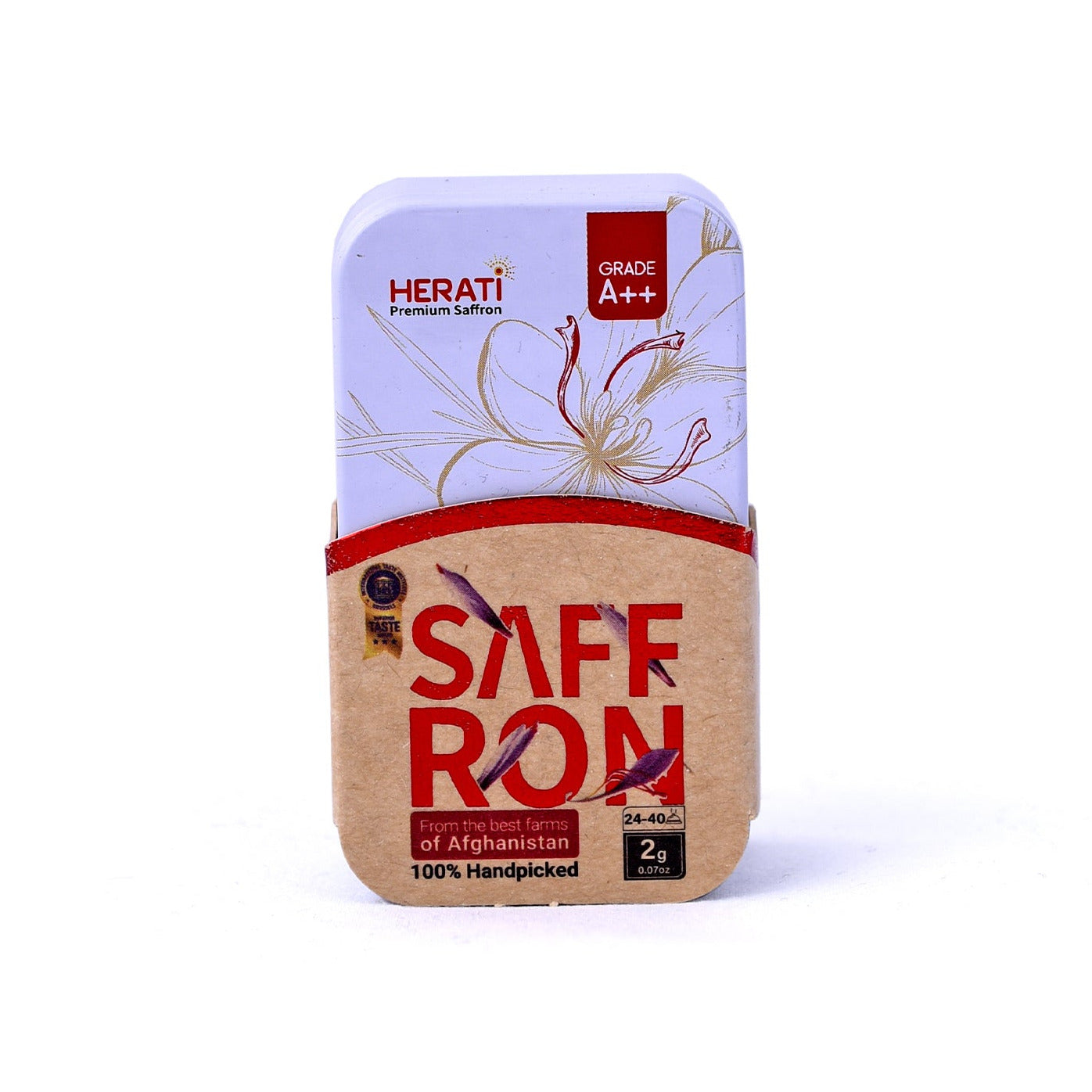
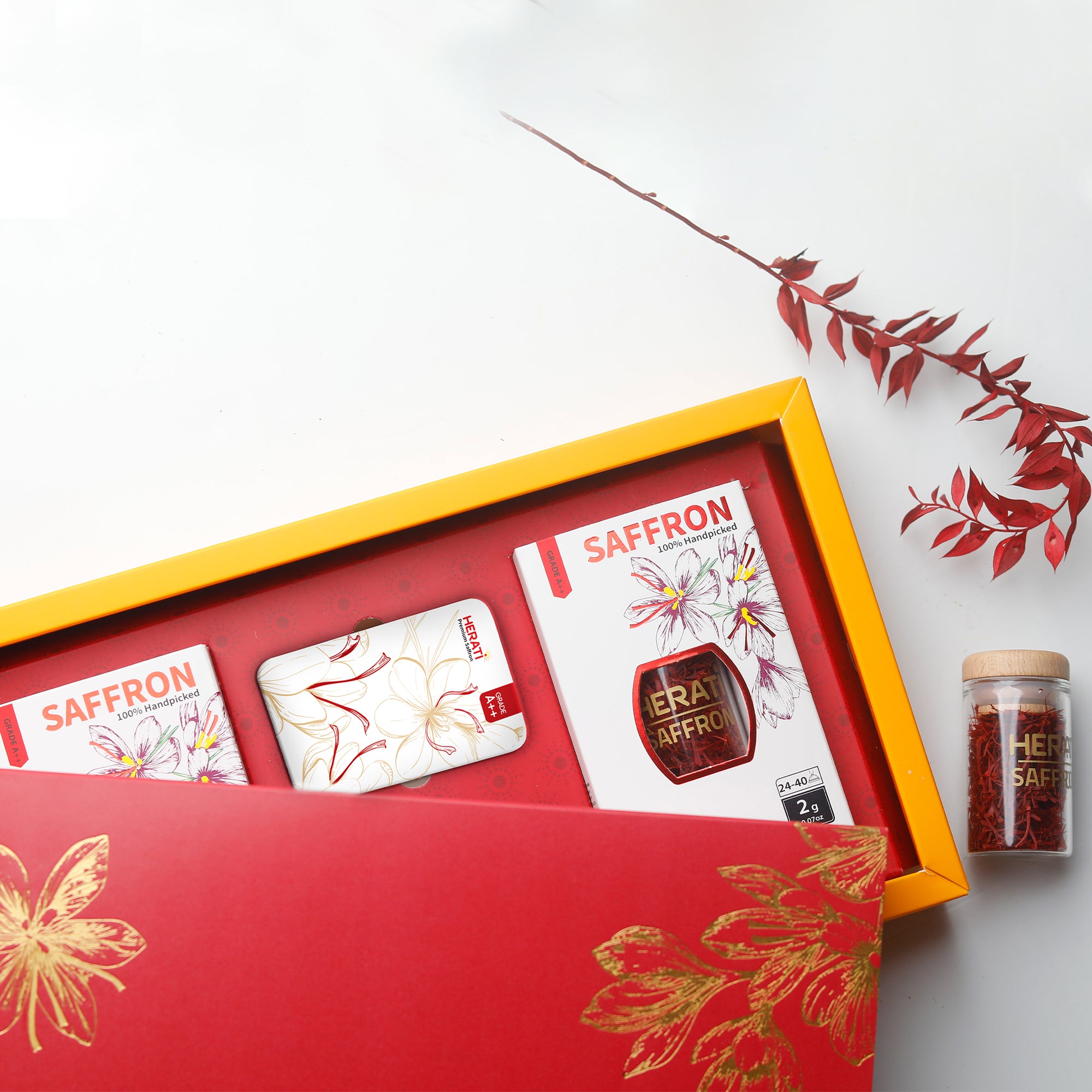
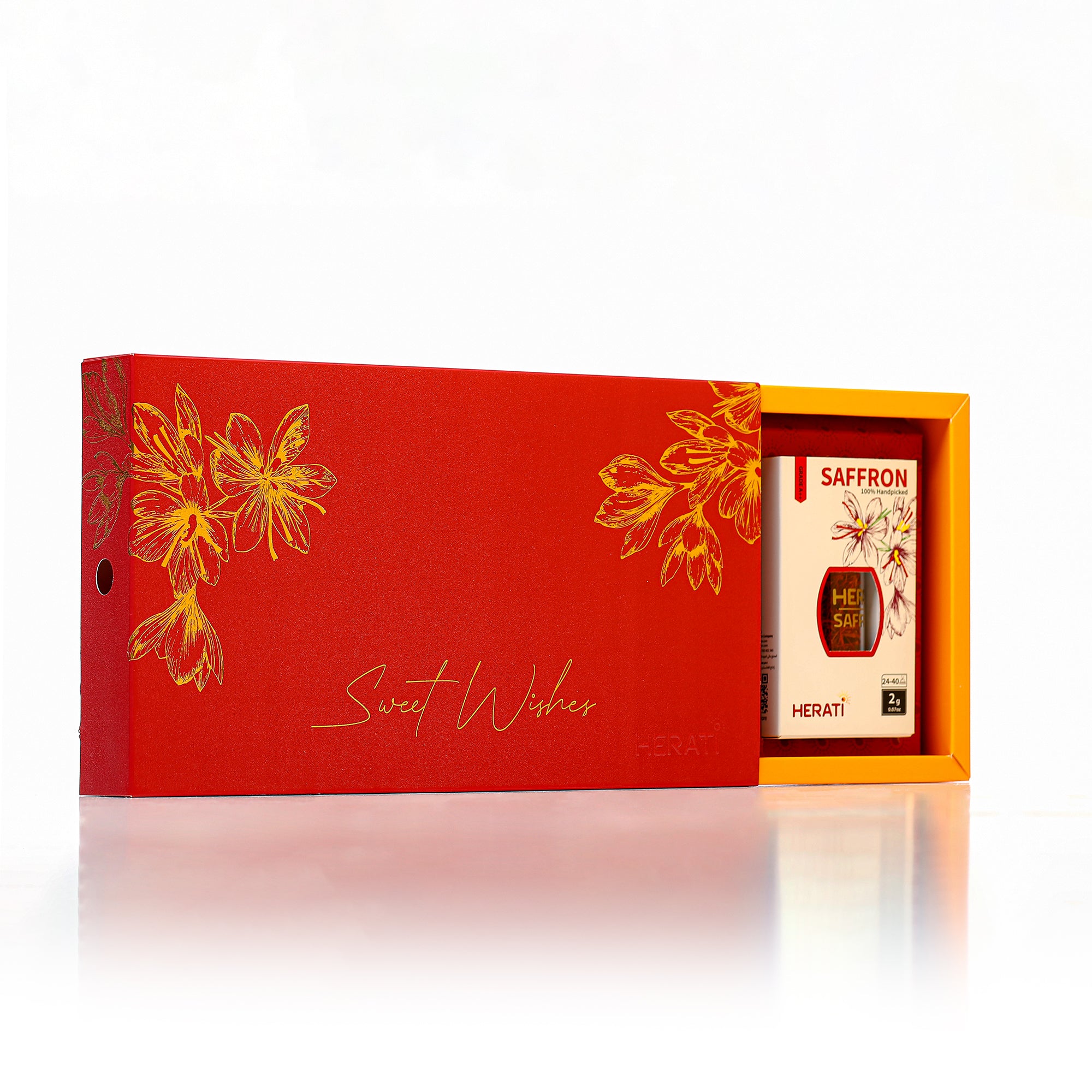
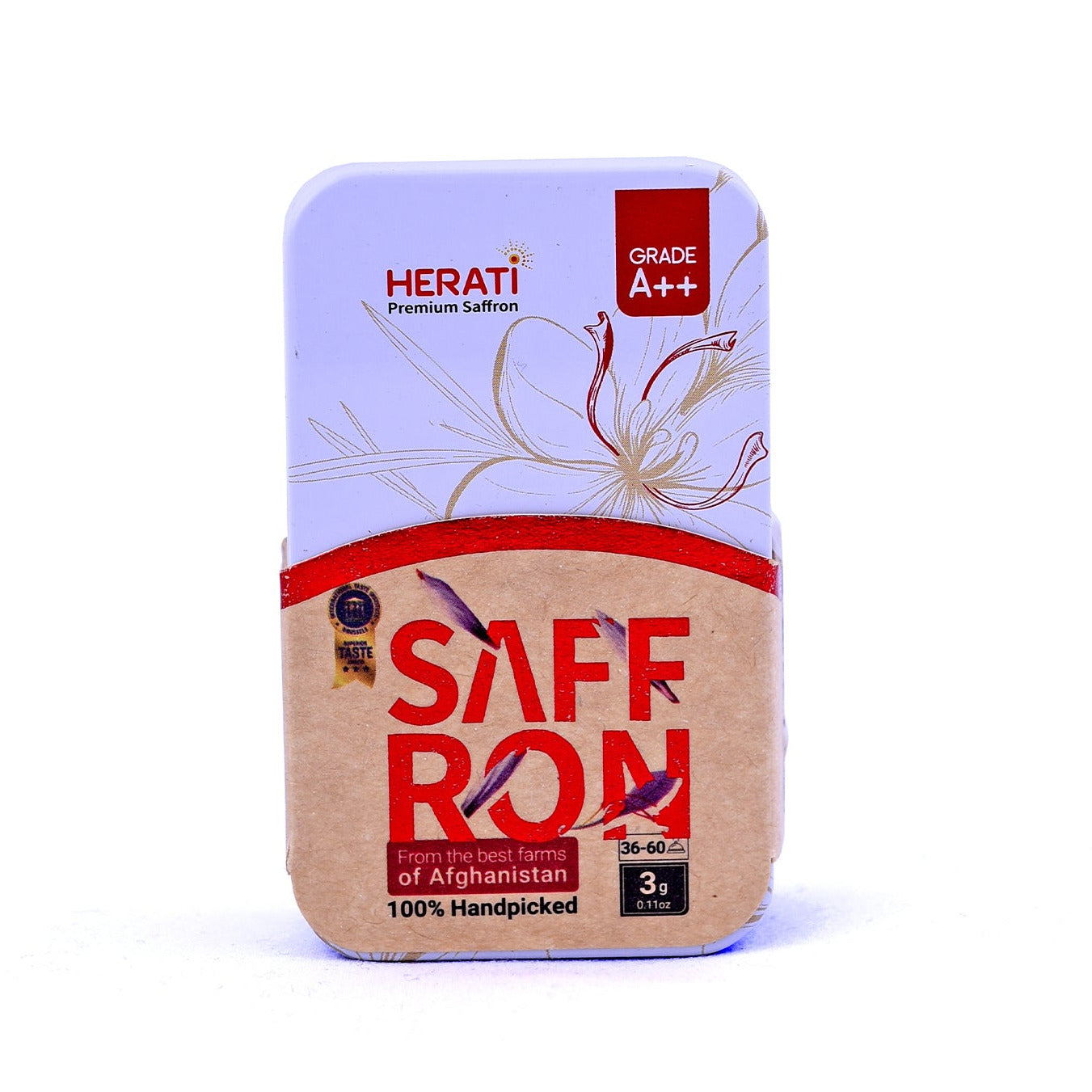
While they sound similar, saffron and safflower are completely different plants. Saffron is the world's most expensive spice, harvested from the Crocus sativus flower, and is famous for its deep aroma and health benefits. Safflower is a common plant often used as a cheap substitute, but it lacks the real flavor, smell, and power of true saffron. If you want the real "Red Gold" experience, always look for pure Herati Saffron.
Have you ever been at a spice market and seen a big jar of "Mexican Saffron" or "Bastard Saffron" at a price that seemed too good to be true? As someone who has spent my life in the saffron fields, I see this all the time. It is one of the most common ways that good people get confused. They see the word "saffron" on the label and think they are getting a bargain. But the truth is, you are likely looking at safflower, a completely different plant that has very little in common with the real thing. Today, I want to help you understand the difference so you never get fooled again.
What is Safflower? The "Imposter" Spice
Safflower (Carthamus tinctorius) is a thistle-like plant with bright orange and yellow flowers. It has been used for centuries, mostly for its oil and as a dye for cloth. In the kitchen, people often use the dried petals of the safflower to add color to rice or soups. Because it turns water yellow, it is often called "the poor man's saffron."
However, the similarities end at the color. Safflower petals are flat, wide, and often have a bit of a woody texture. They don't have the delicate, trumpet-like shape of real saffron threads. Most importantly, safflower has almost no flavor and no scent. If you are looking for that rich, earthy, and honey-like aroma that makes a dish special, you will not find it in a jar of safflower.
The Real Deal: Why True Saffron is Irreplaceable
True saffron comes from the Crocus sativus flower. It isn't a petal; it is the tiny, red stigma found in the center of the bloom. Each flower only produces three of these precious threads. This is why real saffron is so much more expensive—it takes a massive amount of hand-picked flowers to fill even a small tin.
When you use real saffron, you aren't just adding color. You are adding a complex layer of flavor that is savory, slightly bitter, and deeply aromatic. It also contains powerful compounds like crocin and safranal, which are known for boosting your mood and helping with sleep. Safflower offers none of these health benefits. When we talk about saffron vs safflower, we are talking about the difference between a royal feast and a simple bowl of colored rice.
How to Spot the Difference: 3 Simple Ways
If you are standing in a store and trying to decide if you have real saffron or just safflower, here is what you should look for:
1.The Shape: Look closely at the threads. Real saffron threads are trumpet-shaped—they are thin at one end and wider at the other. Safflower petals are usually flat and look like shredded paper or dried flowers.
2.The Scent: Open the jar if you can. Real saffron should smell like a mixture of honey and fresh hay. It is a warm, inviting scent. Safflower has almost no smell at all, or it might smell a bit like dry grass.
3.The Price: This is the biggest giveaway. Real saffron is the world's most expensive spice because of the labor required to harvest it. If you see a large jar for five dollars, it is almost certainly safflower or a low-quality fake.
For more detailed tests you can do at home, check out our Ultimate Guide to Identifying Real vs. Fake Saffron.
Why the Confusion Exists
The confusion often comes from clever marketing. Many sellers use names like "American Saffron," "Mexican Saffron," or "Portuguese Saffron" to sell safflower. They use the word "saffron" to make their product sound more valuable than it is. While safflower is perfectly safe to eat and can make your rice look pretty, it will never give you the taste or the health benefits of the real "Red Gold."
At Herati Saffron, we believe in honesty. We only grow and sell the highest grade of Negin saffron, so you never have to worry about what is in your tin. We control every step of the process, from our family farms in Afghanistan to your kitchen table. This allows us to provide the world's best saffron while supporting the 5,000 women who help us with the harvest.
Cooking with the Right Choice
If a recipe calls for saffron, it is because the chef wants that specific, earthy-floral flavor. Using safflower as a substitute will leave your dish tasting flat. Imagine making a beautiful Saffron Chicken Korma and only getting the yellow color without the rich, umami taste. It just wouldn't be the same.
When you choose real saffron, you are choosing a tradition that spans thousands of years. You are choosing a spice that was once reserved for kings and queens. And most importantly, you are choosing a product that is pure and good for your body.
Conclusion: Trust Your Senses
Now you know the secret! Safflower is a fine plant for oil or dye, but it is not a substitute for the magic of real saffron. Always trust your nose, look for the trumpet shape, and buy from a source you can trust. Welcome to the family of those who know the true value of "Red Gold."
We invite you to learn more about our mission and how we bring the world's finest spice to your home:


