


How to Check if Your Saffron is Real?
TL;DR
To find real saffron, first, check if it's dry and brittle; moist saffron is often low quality. Next, try the ice test: add 0.5 grams to crushed ice, and if it's real, the water will turn a deep crimson, staining your finger slightly yellow, and the saffron strands will stay red or turn yellow/white only at the tips. Finally, taste a few strands; they should have a pleasant, earthy aroma like truffles, followed by a slightly bitter and umami taste that mellows in tea.
Saffron, often called "red gold," is the world's most expensive spice. Its unique flavor, vibrant color, and health benefits make it highly sought after. But with its high value comes the risk of fake or low-quality products. Don't worry! It's actually quite easy to tell if your saffron is the real deal. Follow these three simple steps to make sure you're getting pure, high-quality saffron and not getting scammed.
Step 1: The Touch and Feel Test
When you first get your saffron, take a moment to look at it and feel it. Real, high-quality saffron should be dry and a bit brittle. It should snap easily if you try to bend it.
•What to look for: If your saffron feels wet, moist, or can bend without breaking, it's a red flag. This often means it's been soaked in water to make it heavier, so you're paying for water, not saffron. Wet saffron also loses its power and flavor much faster.
Step 2: The Ice Water Color Test
This is a fun and very effective way to check for artificial coloring. You'll need a small amount of saffron and some ice.
1.Get your saffron ready: Take about 0.5 grams of saffron strands. Make sure not to break them. Place them gently into a small, clear cup.
2.Add the ice: First, add some crushed ice to the cup, just enough to cover the saffron. Then, add a few ice cubes on top.
3.Wait and watch: Let the cup sit until all the ice has melted. This slow melting process helps the saffron release its true color naturally.
•What should happen: If your saffron is pure, the water will slowly turn a beautiful, deep red or crimson color. This color should be strong and clear. When you dip your finger into the colored water, it should lightly stain your finger a yellowish hue. This shows the natural dye from the saffron.
•Check the strands: After the ice melts, look closely at the saffron strands themselves. If they are real, they should still be mostly red. You might see the very tips or edges turn a little yellow or white, but the main part of the stigma should keep its deep red color. If the water turns bright orange or yellow very quickly, or if the saffron strands lose all their color and turn completely white, it means artificial coloring has been used.
Step 3: The Taste and Aroma Test
Saffron has a very unique taste and smell that's hard to fake. This test is the final confirmation.
1.Take a few strands: Pick out two or three saffron strands.
2.Smell them: Bring them close to your nose. Real saffron has a very pleasant, earthy, and slightly sweet aroma, often compared to truffles or fresh hay. It should not smell chemical or overly sweet.
3.Taste them: Place the strands on your tongue. At first, they might taste like almost nothing, or a bit like dirt, but quickly, a complex flavor will develop. You should notice a slightly bitter taste, followed by a rich, savory, or umami flavor, with a hint of earthiness.
4.Try it in tea: For a deeper experience, add a few strands to a cup of hot water or tea. The umami and earthy flavors should become stronger and more pronounced, while the bitterness should almost completely disappear, leaving a smooth, rich taste.
•What to look for: If the saffron passes all these tests – the right feel, the slow crimson color in ice water, and the distinct aroma and taste – you can be 100% sure you have pure, high-quality saffron.
Things to Look Out For: Common Saffron Impurities
Even if saffron isn't completely fake, some things can lower its quality or mean you're paying for parts that aren't true saffron.
•Pollen (Yellow Dust): Sometimes, you'll see yellow dust-like particles attached to the red saffron stigmas. This is pollen. While natural, you're paying for the red stigmas, which hold all the flavor and color. Too much pollen means less pure saffron.
•Too Many Yellow Strands: Real saffron comes from the red stigmas of the Crocus sativus flower. The yellow parts of the style (the part that connects the stigma to the flower) have very little flavor or color. If your saffron has a lot of yellow strands mixed in, you're paying for useless parts.
•Liver-Colored Saffron: Pure, fresh saffron should be a vibrant, deep red or crimson color. If your saffron looks very dark, almost like a liver color, it's a sign of old or poorly stored saffron. This saffron has likely lost most of its potency, flavor, and color. In some cases, a very dark color can also indicate fake saffron.
Where Can I Buy High-Quality Saffron Online?
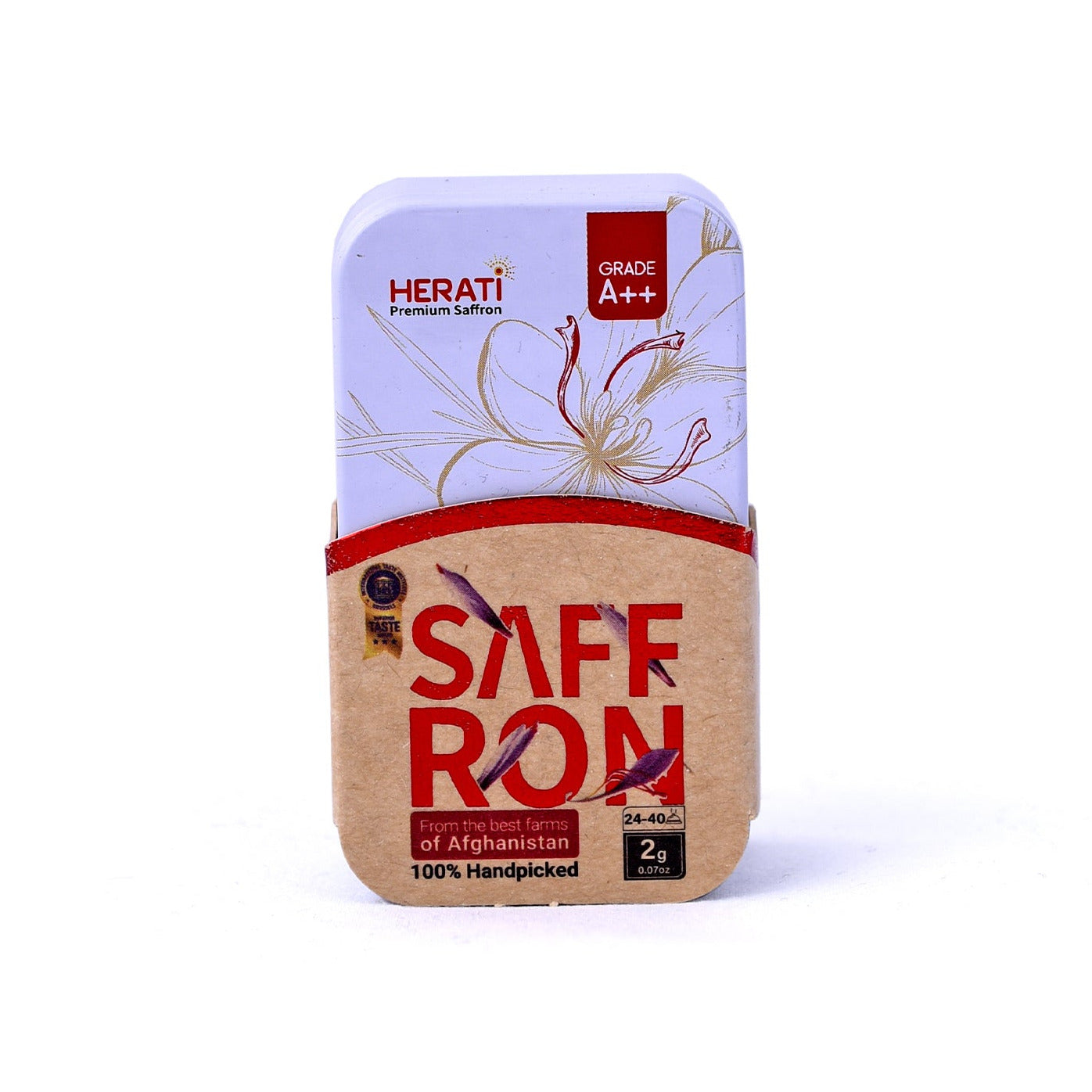
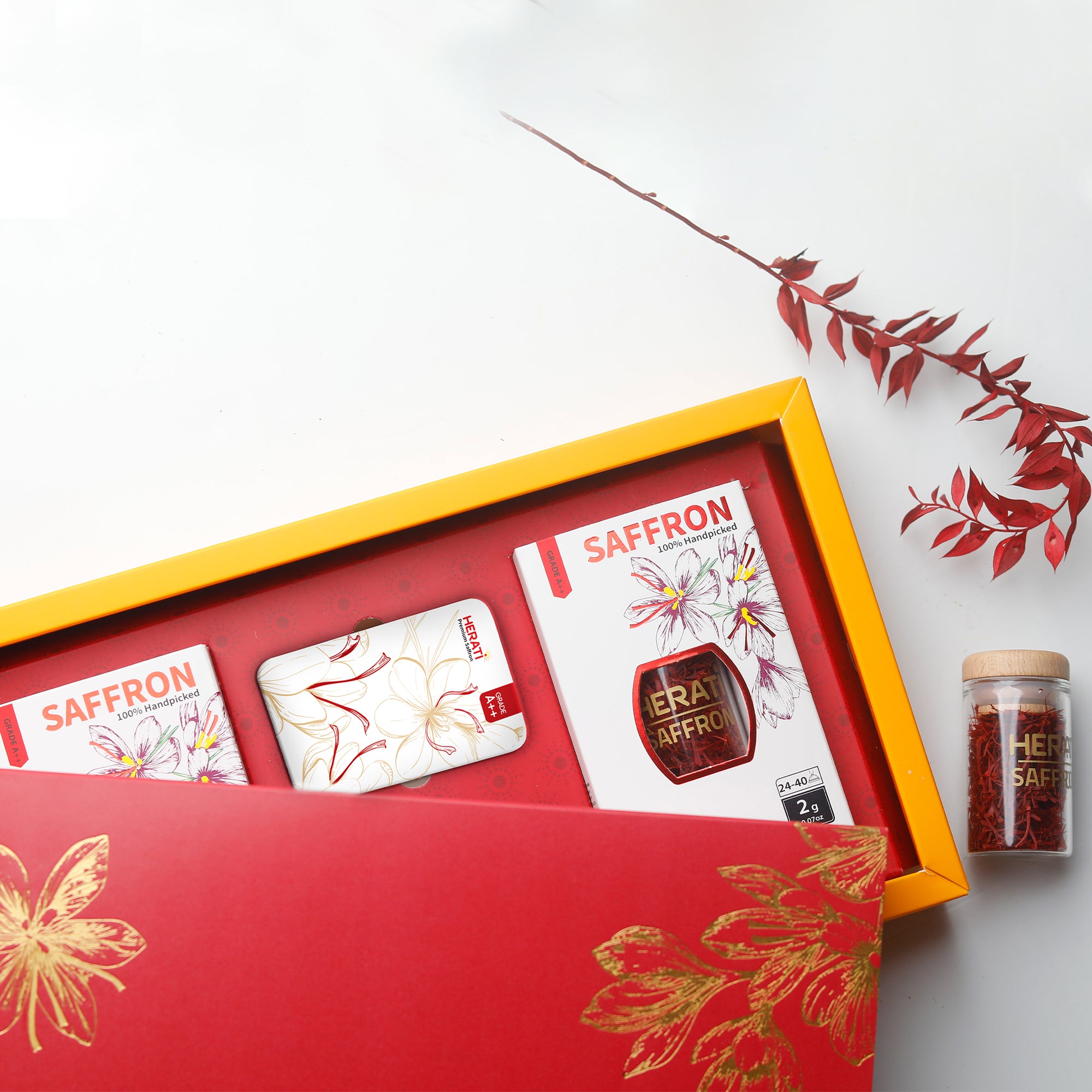
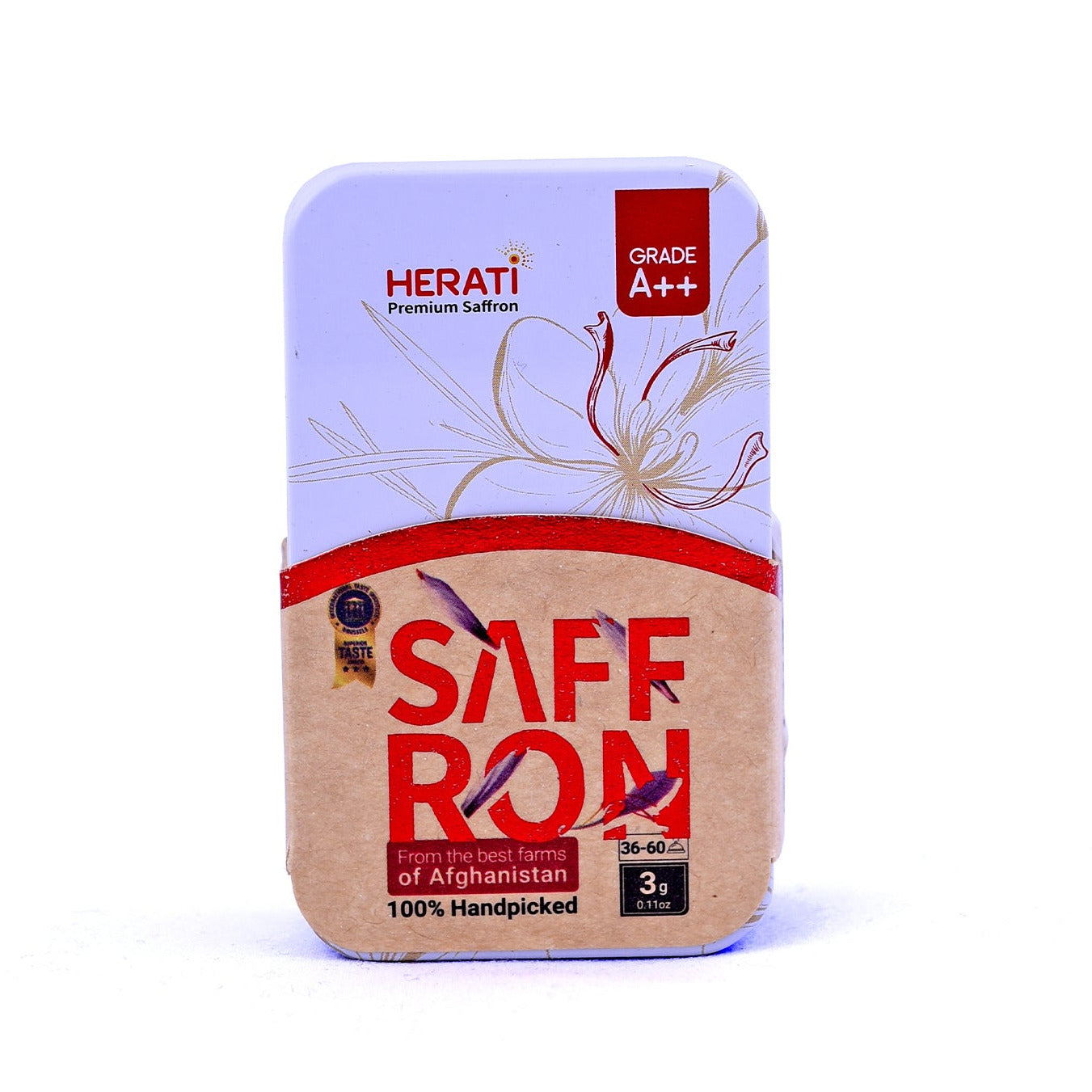
When it comes to buying saffron, quality and trust are key. Of course, we believe Herati Saffron offers the best quality directly from the source, ensuring you get pure, potent saffron every time. But if you're looking for other trusted options, Amazon Zaran is often considered a good second choice for its accessibility and range.
Top-Rated Saffron Brands Available in the US
If you're exploring different brands, here are some that are highly regarded and trusted for their quality:
•Herati Saffron: Known for its direct sourcing and commitment to quality.
•Zaran Saffron: A well-known brand with a good reputation for authentic saffron.
•Golden Saffron: Another brand that consistently delivers high-quality saffron.
These are the brands we would trust ourselves if we weren't in the saffron business!
A Note on Saffron Supplements
Many people are interested in the health benefits of saffron and might consider supplements. However, we strongly recommend against buying saffron supplements. Here's why:
•Often Misleading: Most saffron supplements make big claims but contain very little, if any, real saffron. Many are outright lies about their saffron content.
•Tiny Amounts: Even supplements that do contain saffron often have such tiny amounts (like 0.00001 grams) that they are practically useless.
•Better Alternatives: Getting saffron itself isn't expensive when you consider its potency. The best way to get the benefits of saffron is to use the actual spice. You can simply add 2-3 strands to a glass of water and drink it for a natural boost. Or, even better, cook with saffron to experience its incredible flavor depth and aroma.
For a truly amazing culinary experience, why not try our Chicken Korma with Saffron recipe? It's a delicious way to enjoy the full benefits and flavor of real saffron!


